


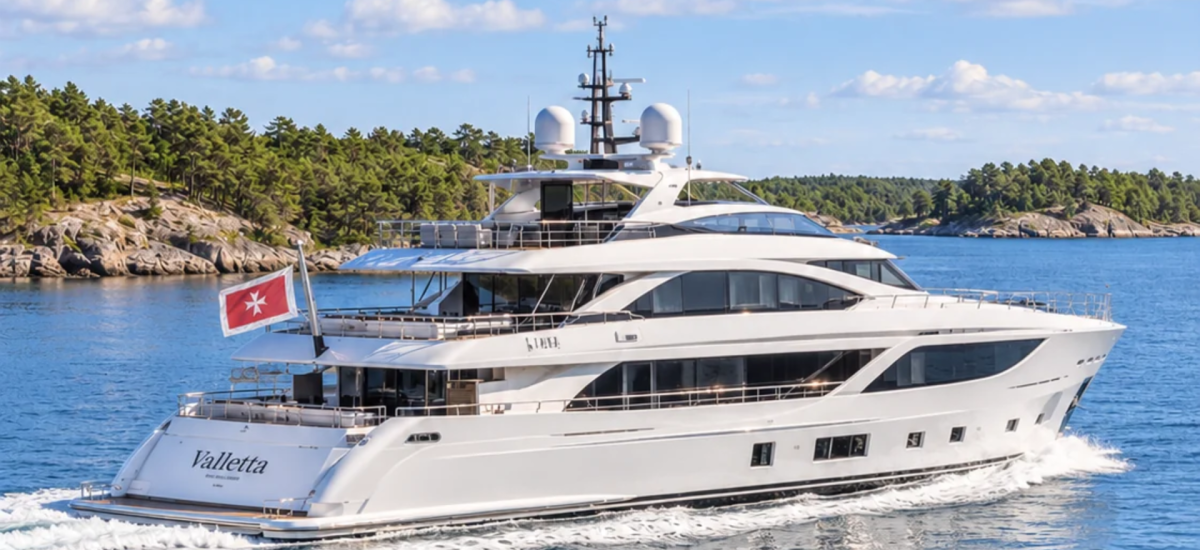
Transport Malta’s Merchant Shipping Directorate has issued Yachting Notice 20, which sets out the environmental, waste management and navigation safety rules for Malta-flagged commercial and pleasure yachts sailing in the Baltic Sea.
The Baltic is one of the most protected seas in the world. It is a Particularly Sensitive Sea Area, and the 1992 Helsinki Convention (HELCOM) governs how vessels operate there. These rules apply to every vessel, from commercial shipping to small pleasure craft so a yacht’s onboard equipment must comply before it enters the Baltic.
Key Environmental Rules
Oil & Oily Mixtures
Discharging oil or oily mixtures is prohibited. Oil drainage from machinery spaces must pass through approved oil filtering equipment. Any visible oil slick is treated as an illegal discharge.
Sewage
- Pleasure craft and yachts built on or after 1 January 2000 and fitted with a toilet should be able to connect to port reception facilities.
- Commercial yachts and larger craft must meet stricter special area rules and advanced treatment plant standards. Masters should check what each port can handle and use shore reception facilities where available.
Garbage
The Baltic is a MARPOL Annex V Special Area, so throwing any garbage into the sea is prohibited. The only exception is ground food waste, and only more than 12 nautical miles from the nearest land. Yachts must carry suitable bins for storing and separating waste.
Fuel & Emissions
The Baltic is a SOx Emission Control Area. Fuel must contain no more than 0.10% sulphur, unless the yacht has an approved scrubber. Some rivers, ports and territorial waters may also restrict scrubber washwater discharge.
Ballast Water
The Baltic’s low-salinity waters make standard ballast water exchange unsuitable. Vessels travelling between the Baltic and the North-East Atlantic should follow the regional joint harmonised procedures.
Navigation safety
- Use up-to-date charts and publications, including the Mariners’ Routeing Guide for the Baltic Sea (BSH Chart 2911).
- Observe the mandatory reporting systems, such as GOFREP, SOUNDREP and BELTREP, and stay out of Areas to be Avoided.
- The Baltic averages around 50 metres deep, so calculate under keel clearance carefully before each transit. Allow for squat, heel when turning and changes in water level.
- In winter, sea ice is usually at its worst in February and March. During that time, ice class rules and traffic restrictions apply, published through baltice.org.
Waste Delivery & Incident Reporting
Most Baltic ports use a “no-special-fee” system for ship-generated waste, so there is no cost saving in disposing of it at sea. Yachts must notify their next port about waste delivery at least 24 hours before arrival. If the voyage is shorter than 24 hours, they must notify the port on departure.
Masters must immediately report any pollution incident, structural damage affecting safety or navigational impairment to the nearest coastal State.
How the Rules are Enforced
Coastal authorities watch the Baltic around the clock using aircraft and satellites, including EMSA services, and use drift-tracking tools to trace discharges back to the vessel responsible. Authorities share evidence across borders. This can lead to Port State Control inspections and fines at later ports of call.
Next Steps for Masters & Crew
- Check that oil filtering, sewage and garbage arrangements comply before entering the Baltic.
- Confirm your fuel meets the 0.10% sulphur limit, or that your scrubber is approved.
- Plan your passage with current charts, reporting requirements, under keel clearance and seasonal ice in mind.
- Send waste delivery notifications to each port on time.
What Does this Mean for Owners/Manager?
For owners planning a Baltic itinerary, compliance work starts long before the yacht arrives. Equipment may need upgrading, crew will need briefing, and waste and port arrangements should be in place in advance. Because enforcement is shared across borders, a single breach can follow a yacht from port to port and disrupt the season.
About Sentient International
Sentient International’s Maritime team supports owners and managers with the structuring, registration and administration of their vessels, whether used privately, commercially or a combination of both.
We also share the latest guidance and technical notices so that those working onboard Malta-flagged vessels know about any changes to legislation, regulation and health & safety standards.
Stay Ahead with The Lookout
Our Sense on the Horizon. Your Future at Sea.
If you found this insight useful, The Lookout is our dedicated maritime newsletter providing updates on regulatory changes, flag state notices and industry developments.
If you are a captain, crew, owner, yacht manager, broker or maritime adviser, and would like more insights like this delivered straight to your mailbox, sign up for The Lookout here.
Source: Transport Malta, Yachting Notice 20 (21 October 2026). For the full requirements, owners and masters should consult HELCOM and the Baltic Sea Clean Shipping Guide.

Sentient International wins Client Services Team of the Year at The Fiduciary Awards Isle of Man 2026
November 6 2026
Are you ready to make sense of your future?
Get in touch